

Wafertune ingests defect inspection data, chamber process logs, and metrology exports from the tools running in your specialty 200mm fab — and delivers a ranked root-cause hypothesis card to your yield engineer’s queue within 2–4 hours of excursion detection.
Defect excursions at specialty 200mm fabs typically take 3-7 days to diagnose to root cause. The target customer is specialty 200mm analog, power, and MEMS fabs running 25,000-80,000 wafer starts per month without a dedicated yield engineering software team. The core problem is that defect inspection data from KLA and Onto tools, process data from Lam and Applied Materials etch and deposition records, and metrology data from Synopsys and Inficon platforms live in separate proprietary systems with no automated correlation layer. Yield engineers spend most of their diagnostic time manually exporting CSVs, aligning timestamps, and cross-referencing chamber parameter logs against wafer map inspection events in shared spreadsheets. The data needed to close most excursion events already exists inside the fab - the correlation step is what is missing.
Defect inspection reports and wafer maps from KLA Reticle and Onto Innovation optical systems, etch and deposition process recipe logs and chamber parameter traces from Lam Research and Applied Materials tools, and metrology measurements from Inficon sensors and Synopsys Camelot statistical process control exports.
Wafertune correlates defect spatial signature patterns on wafer maps with chamber process parameter deviations across the same lot sequence, running a pattern-match against a library of 200+ catalogued defect signatures to identify the most probable process tool, recipe step, and parameter deviation responsible for each excursion event.
Ranked root-cause hypothesis card delivered to the yield engineer's queue within 2-4 hours of excursion detection, showing the matched defect signature, the correlated chamber parameter trace, the confidence score, and a recommended corrective action from the signature library — ready to forward to the process engineering team or fab manager.
Match every new defect map against 200+ catalogued signatures to skip manual pattern interpretation
Wafertune maintains a growing library of labeled defect signature templates - edge-ring, center-cluster, scratch-linear, random-distributed, radial-spoke, and more - built from inspection data contributed across engagements. When a new wafer map arrives from KLA or Onto, the pattern matcher runs spatial correlation against the full library in under 90 seconds and returns the top three matching signature types with confidence scores.
Yield engineers start from a narrowed hypothesis set instead of blank-page pattern interpretation. Each signature match links directly to the process steps and chambers associated with that defect type in the library, pointing the investigation toward a specific recipe step before any manual analysis begins.
Automatically link defect events to chamber parameter excursions across etch, deposition, and CMP steps
Defect-to-process correlation is the bottleneck in most excursion cycles. Wafertune pulls chamber process parameter logs from Lam Research and Applied Materials tool data layers and aligns them in time-series with the wafer map inspection events for the same lot sequence.
When a defect excursion correlates with an etch rate drift or deposition uniformity deviation on a specific chamber, Wafertune flags the chamber and step combination and displays the parameter trace alongside the defect map in a single review screen - eliminating the manual cross-referencing step that typically takes 1-2 days.
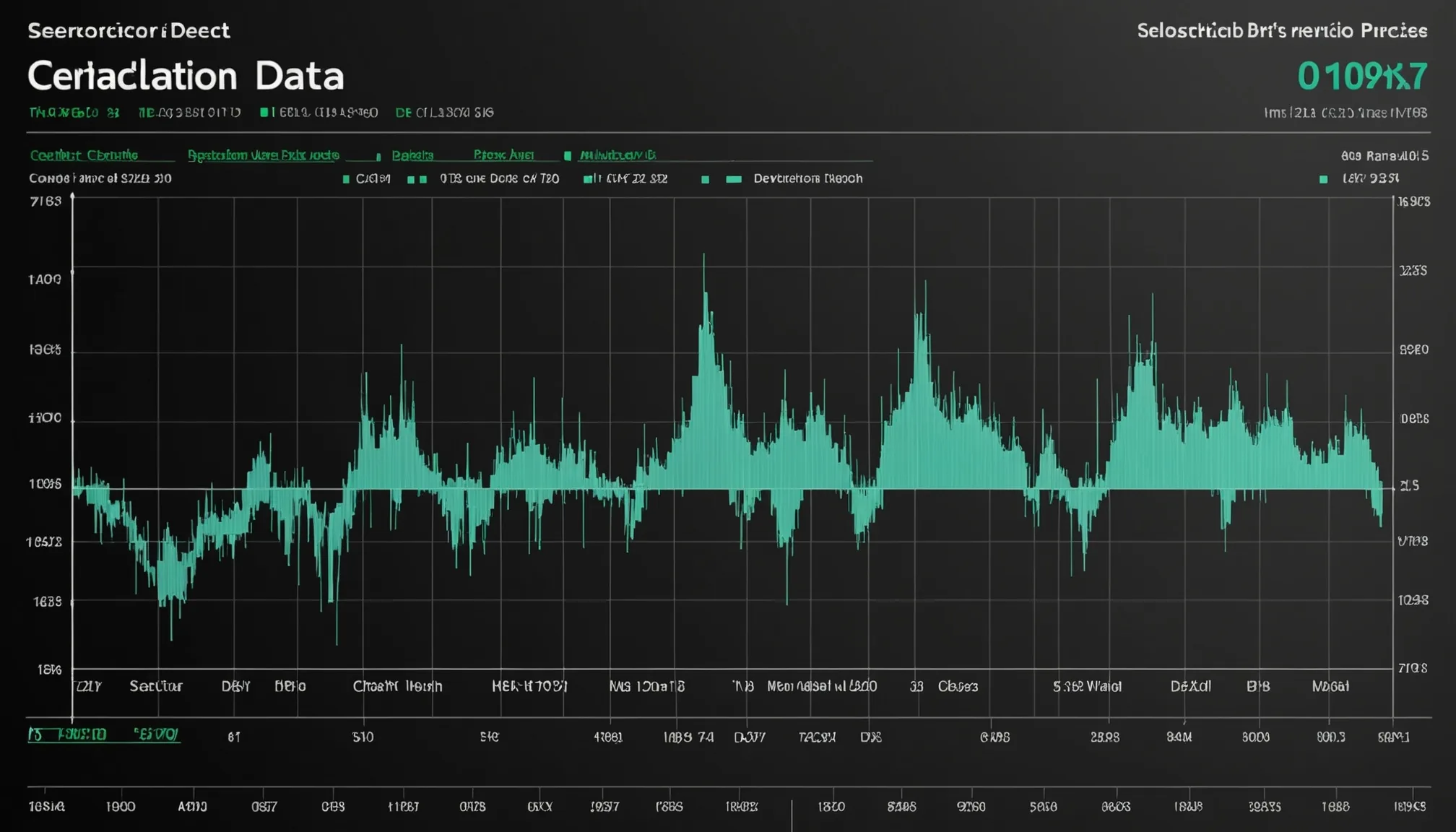
Ingest SPC control chart violations and overlay them with defect events to detect process-driven yield trends
Many specialty fabs already run Synopsys Camelot for statistical process control charting across critical parameters. Wafertune reads Camelot SPC violation events via standard export and merges them into the defect correlation timeline.
A control chart violation on etch uniformity that precedes a defect excursion by 4-6 hours becomes evidence in the root-cause card rather than a separate engineering ticket. Yield engineers who use both systems stop treating SPC and defect review as separate workflows.
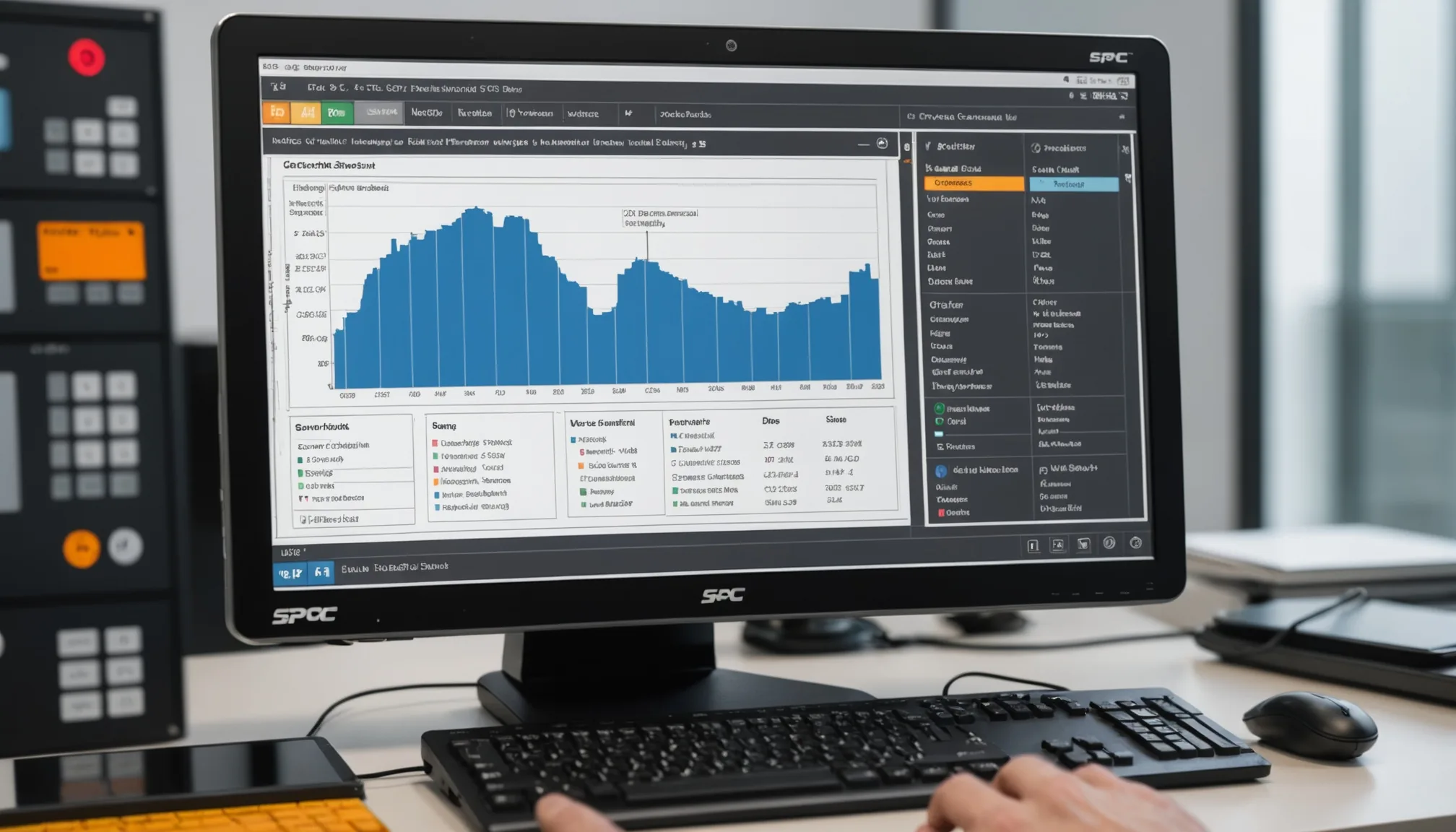
Quantify the yield loss associated with each active excursion before root cause is fully closed
While an excursion is still under investigation, affected lots continue to move through the line. Wafertune tracks which wafer lots were processed on the suspect chamber during the flagged parameter deviation window and calculates a preliminary yield impact estimate based on the matched defect signature's historical yield loss rate.
Operations managers see a running cost estimate on the active excursion dashboard - giving them the business context needed to decide whether to divert lots to an alternate chamber or hold them pending root-cause confirmation.
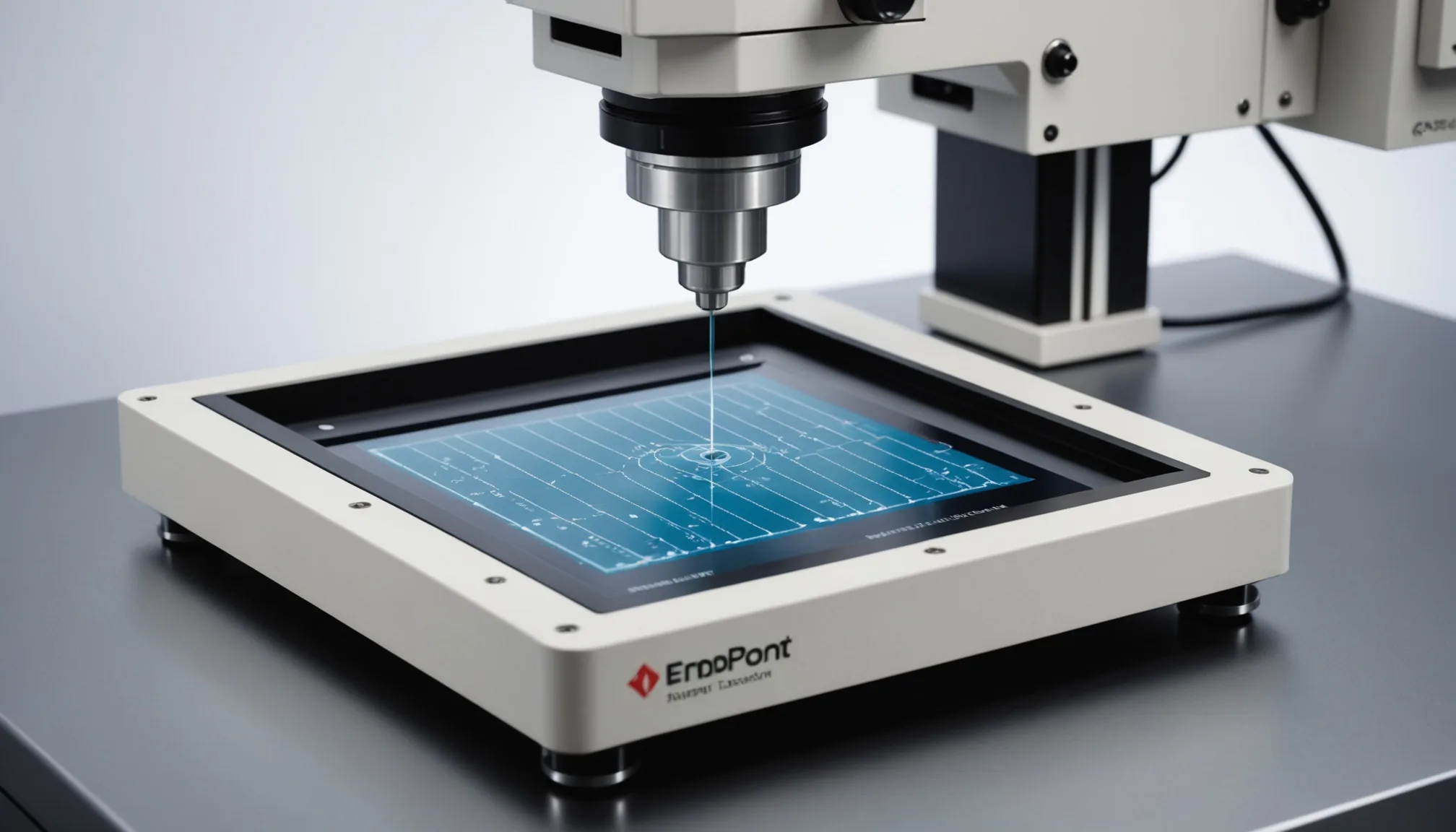
Incorporate endpoint and film thickness measurements into root-cause analysis alongside defect maps
Endpoint detection signals from Inficon sensors and post-process metrology measurements are a third data stream that often reveals process drift before defects are fully visible on wafer maps. Wafertune ingests Inficon endpoint traces and film thickness metrology results from standard fab data export formats.
Overlaying metrology data with the defect and chamber timeline catches drift signatures that would otherwise require manual spreadsheet correlation by the process engineer. Metrology trends that precede a defect excursion are surfaced automatically in the root-cause card.
Close the loop from excursion detection to corrective action with a documented audit trail
Each excursion in Wafertune generates a hypothesis card that carries the defect signature, correlated process data, confidence score, and recommended corrective action drawn from the signature library. When the yield engineer confirms or overrides the hypothesis and closes the excursion with a corrective action, that outcome feeds back into the signature library to improve future matches.
The full excursion history with timestamps, hypothesis versions, and closure notes is exportable as a PDF report for quality system documentation or customer audit requirements.
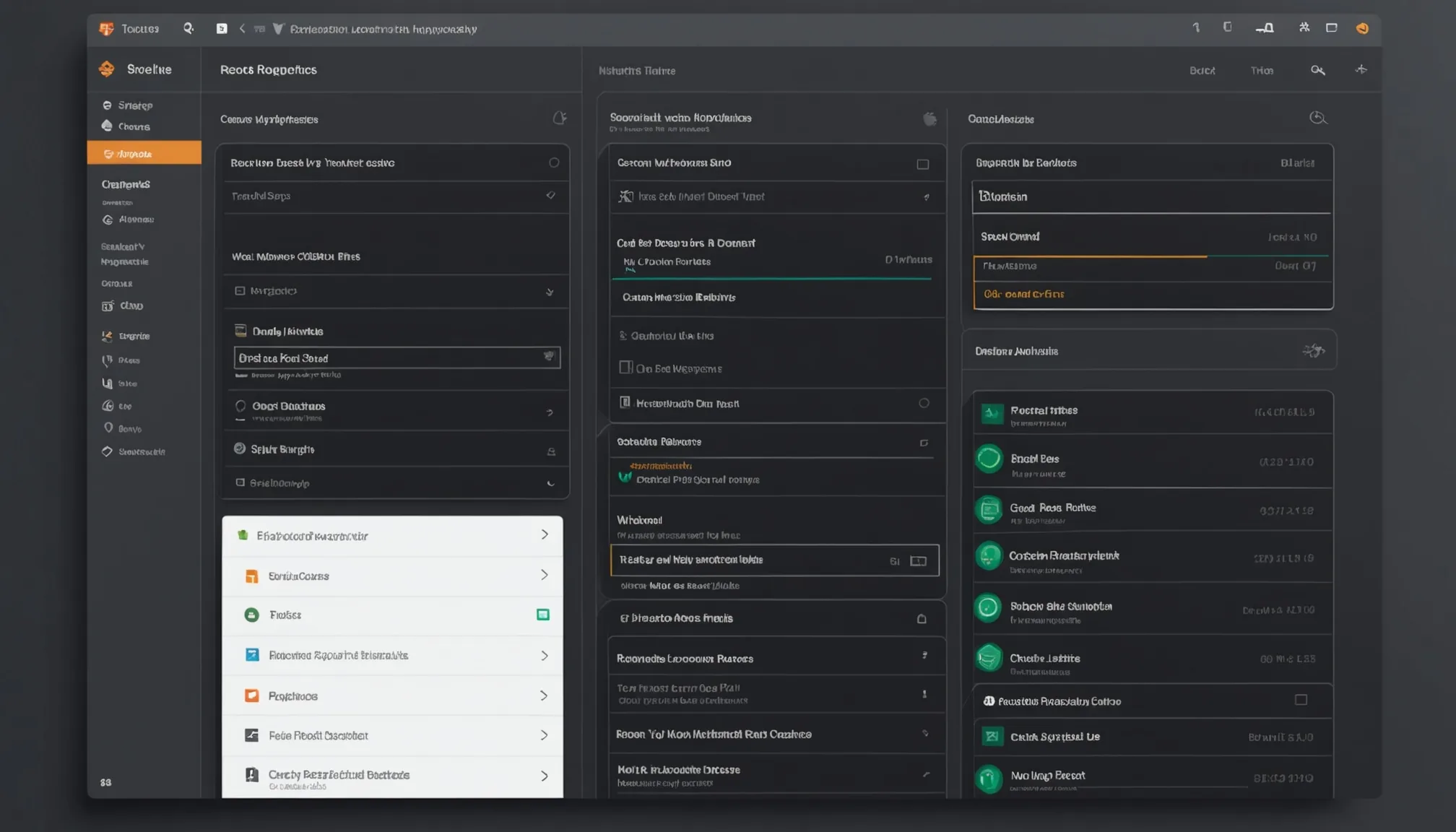
Wafertune works with standard data export formats from KLA, Onto, Lam Research, Applied Materials, Synopsys Camelot, Inficon, and PDF Solutions Exensio. No proprietary connectors, no dedicated IT integration project required on your end.







Specialty 200mm semiconductor fabs running 25,000–80,000 wafer starts per month on analog, power, MEMS, or specialty mixed-signal process lines. Fabs with 5–25 yield and process engineers on staff who are currently spending 3–7 days per excursion event manually cross-referencing data from KLA, Onto, Lam, Applied Materials, Synopsys Camelot, and Inficon across disconnected export files and spreadsheets.
Leading-edge 300mm logic fabs with in-house yield analytics teams already running automated defect-to-process correlation infrastructure. Fabless design companies without manufacturing operations. Test-only and packaging facilities without front-end wafer processing steps.
Wafertune is not designed for leading-edge 300mm logic fabs with in-house yield analytics teams, fabless semiconductor design companies without manufacturing operations, or test-only and packaging facilities without front-end wafer processing.
Bring your KLA and Lam export formats. We run a working demo against a sample of your excursion data so you can see the hypothesis card output before any commercial conversation starts.