Research

Research

Defect classification, specialty fab yield, and ML methods for semiconductor data — from the Wafertune team.

All research articles
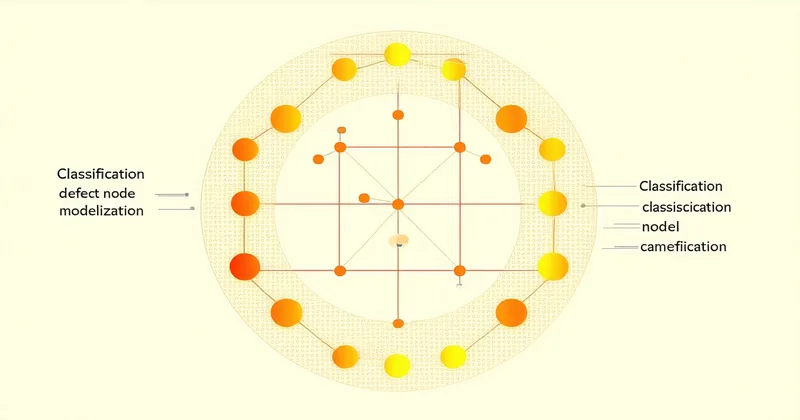
Abstract visualization of ML defect pattern classification on wafer map data
Defect Classification Model Methods
How ML-Based Defect Pattern Classification Works for Wafer Yield Analytics

An overview of the convolutional and spatial feature extraction approach behind Wafertune's classification engine — and why training on specialty-node data changes the results.
9 min read Read
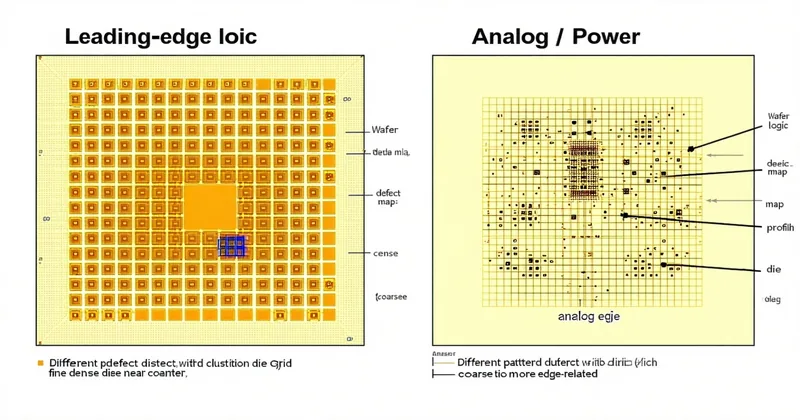
Comparison visualization of defect patterns in analog and power-device semiconductor nodes
Defect Classification Specialty Fabs
Defect Profiles in Analog and Power-Device Fabs: Why Standard Models Underperform

Analog and power nodes have different dominant defect mechanisms than leading-edge logic. This affects what patterns your model needs to recognize — and where generic training data fails.
7 min read Read
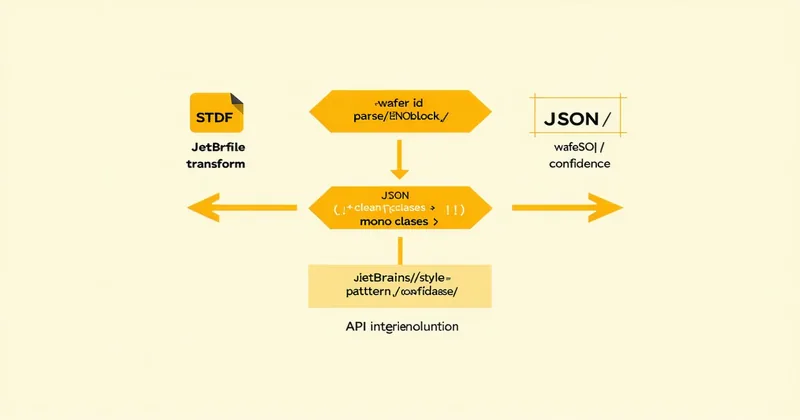
STDF to JSON conversion flow diagram for Wafertune API integration
API & Integration
Integrating Wafer Map Data into a REST API: STDF to JSON Conversion Patterns

A practical guide to parsing STDF wafer-sort data and structuring it for the Wafertune classification API — common pitfalls, field mapping, and handling multi-bin maps.
8 min read Read
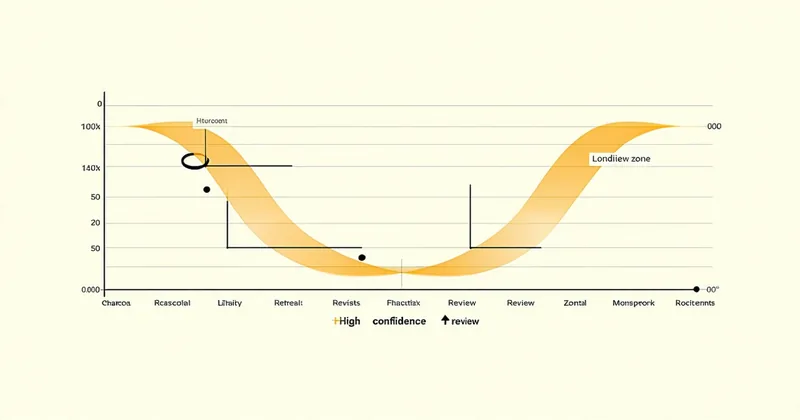
Confidence score threshold visualization for defect classification false-positive management
Defect Classification Model Methods
Managing False Positives in Automated Defect Classification

Confidence score thresholds, ambiguous patterns, and when to flag for human review — a guide to reducing false-positive alerts without missing real yield killers.

6 min read Read
Stylized Arizona desert and semiconductor industry illustration for Phoenix fab ecosystem article
Specialty Fabs
Phoenix as a Semiconductor Hub: The Specialty Fab Ecosystem Taking Shape in Arizona

Intel, TSMC, ON Semi, and Microchip — Arizona has a growing concentration of analog, power, and specialty semiconductor manufacturing. What this means for yield analytics tooling.

5 min read Read